

Investigating Systemic
Allergic Inflammation
Since 2020
The Institute for Allergic Inflammation (IAI) is a pioneer in researching the systemic implications of allergic diseases. We actively lead the investigation and treatment of potential systemic complications, often missed or misattributed to unexplained syndromes.
Our mission is to share this specialized knowledge to the broader medical community and public, promoting early prevention and more cost‑effective strategies for managing systemic inflammation.
Is Systemic Inflammation a Silence Killer? Are We Missing Early Signs of This Phenomenon?
The Institute for Allergic Inflammation’s Mission Is To Bring Awareness to This Often Overlooked Phenomenom.
The landscape of medicine is changing rapidly, thanks to incredible advancements in our understanding of how the body works. One of the most exciting breakthroughs has been the development of monoclonal antibody treatments and a deeper understanding of inflammation biology.
This new knowledge is revealing a fascinating truth: many diseases once thought to be completely unrelated actually share similar underlying inflammatory processes. Because of this, treatments designed to target inflammation can now be used for a variety of conditions, helping us achieve the same goal of disease control across different illnesses.
This groundbreaking shift is why we’ve created the Institute for Allergic Inflammation. Our mission is to explore how systemic (body-wide) allergic inflammation impacts a wide range of modern-day diseases. By focusing on these shared inflammatory pathways, we aim to uncover new connections and develop more effective, unified strategies for managing complex health conditions.
We invite you to join us in this exploration. Please share your questions, knowledge, and experiences. Together, we can unravel the mysteries of chronic inflammation and its surprising long-term health effects.

We look further
The field of Allergy and Immunology must move beyond limiting itself to easily recognizable or surface areas like the nose and skin.
Allergic inflammation is a progressive process that reaches far deeper, affecting inner organs and leading to more significant, often-overlooked systemic consequences.
Poor understanding of disease depth

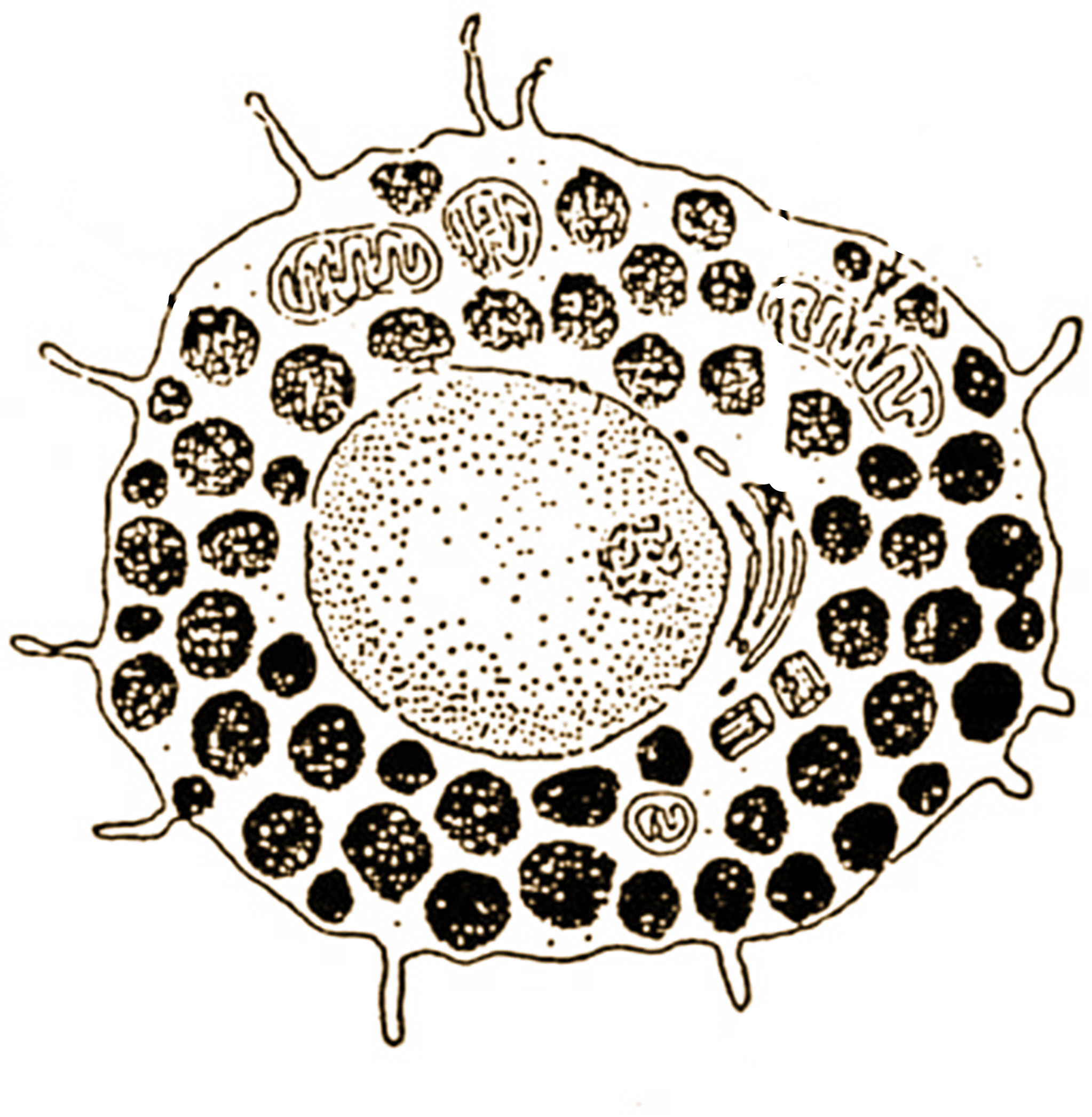
A comprehensive, multidisciplinary, and truly systemic approach is essential for understanding the far-reaching consequences of chronic allergic inflammation.
At the Institute for Allergic Inflammation, we are committed to uncovering the systemic impacts of allergic diseases across interconnected organ systems. Our work focuses on tolerance breakdown, inflammatory load, and molecular markers that signal evolving disease. Our mission is not merely to alleviate symptoms, but to slow, and ultimately prevent, the progression of inflammation-driven organ dysfunction.