

Allergies and the Microbial World Within: Rethinking the Origins of Immune Disease
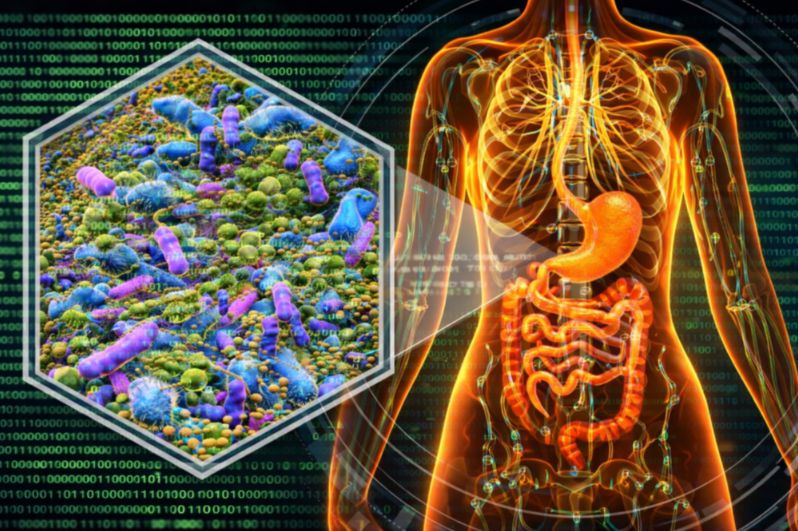
For much of modern medicine, allergies have been understood as a failure of the immune system, an exaggerated response to otherwise harmless substances such as food proteins, pollen, or dust. Yet this explanation, while accurate, is incomplete. A growing body of research now suggests that allergic disease may arise not only from immune dysfunction, but from a deeper disturbance in the ecological system that shapes it: the human microbiome.
This internal ecosystem, composed of trillions of bacteria, viruses, and fungi inhabiting the gut, skin, and respiratory tract, plays a central role in calibrating immune responses. When its structure or function is altered, the consequences extend far beyond digestion, influencing inflammation, barrier integrity, and immune tolerance across the body.
An Immune System Under Instruction
The immune system does not emerge fully formed. Instead, it undergoes a process of education, particularly during early life, in which it learns to distinguish between harmful pathogens and harmless environmental exposures. This education is orchestrated in large part by the microbiome.
Microbial communities interact with host tissues through conserved molecular signals, so called pathogen associated molecular patterns, that engage pattern recognition receptors such as Toll-like receptors on epithelial and immune cells. These interactions are not merely defensive; they establish baseline immune tone, regulate barrier function, and shape downstream adaptive responses.
A critical outcome of this interaction is the induction of regulatory T cells (Tregs), which act as arbiters of immune tolerance. These cells suppress excessive inflammation and prevent inappropriate immune activation against benign antigens. Their development depends heavily on microbial signals.
Among the most influential of these signals are short-chain fatty acids (SCFAs), metabolic byproducts generated when gut bacteria ferment dietary fiber. Butyrate, in particular, serves as both an energy source for intestinal epithelial cells and a potent immunomodulator. It enhances epithelial barrier integrity, reduces pro-inflammatory signaling, and promotes the expansion of Treg populations.
In this way, the microbiome does not simply coexist with the immune system, it actively programs it.
The Critical Window of Immune Programming
The influence of the microbiome is most profound during a narrow developmental window spanning from prenatal life through the first two years after birth. During this period, microbial colonization establishes the foundational architecture of both the microbiome and the immune system.
The mode of delivery represents one of the earliest determinants of this process. Infants born vaginally are exposed to maternal microbial communities that seed the gut with beneficial organisms, whereas those delivered by cesarean section often acquire a different microbial profile, enriched in opportunistic species.
Feeding practices further shape this trajectory. Human breast milk contains not only nutrients, but also prebiotic oligosaccharides and microbial components that selectively promote the growth of beneficial bacteria such as Bifidobacterium. The transition to solid foods introduces additional substrates that shift microbial composition and metabolic output.
Disruptions during this critical window, through antibiotic exposure, dietary imbalance, or environmental deprivation, can alter microbial succession and, by extension, immune development. These early perturbations are increasingly linked to a heightened risk of allergic disease later in life.
Dysbiosis and the Breakdown of Tolerance
Across a spectrum of allergic diseases, a recurring pattern emerges: dysbiosis, characterized by reduced microbial diversity and altered metabolic function.
In food allergy, this often manifests as a depletion of bacterial groups such as Clostridia, which are known to promote tolerance through SCFA production. Without these signals, the immune system may fail to establish oral tolerance, instead mounting IgE-mediated responses to dietary antigens.
In asthma, the relationship extends beyond the gut. The concept of the gut lung axis describes how intestinal microbes influence respiratory immunity. SCFAs produced in the gut can enter systemic circulation and modulate immune activity in the lungs, dampening allergic inflammation. Conversely, early colonization of the airways by certain bacteria, such as Streptococcus or Moraxella, has been associated with increased asthma risk, suggesting that microbial composition at multiple sites contributes to disease.
On the skin, dysbiosis takes a different form. In atopic dermatitis, reduced microbial diversity allows Staphylococcus aureus to dominate. This organism produces toxins that disrupt the epithelial barrier and amplify inflammatory signaling, creating a feedback loop that perpetuates disease.
Though these conditions differ in their clinical presentation, they share a common mechanistic thread: the erosion of microbial signals that sustain immune tolerance.
Modernity and the Microbial Deficit
The rapid rise in allergic diseases over recent decades has prompted researchers to examine how modern lifestyles may be reshaping the microbiome. Several converging factors appear to contribute to what some have termed a “microbial deficit.”
Antibiotic use, while indispensable in treating infection, can disrupt microbial communities in ways that may persist long after treatment ends. Diets low in fiber deprive gut bacteria of the substrates required to produce SCFAs. Urbanization and reduced exposure to natural environments limit contact with diverse microbial ecosystems that historically enriched the human microbiome.
Together, these changes reduce both the diversity and functional capacity of microbial communities, weakening their ability to regulate immune responses.
Toward a Microbiome Informed Medicine
This evolving understanding is beginning to reshape clinical thinking. Rather than viewing allergies solely as disorders of immune hyperreactivity, researchers are increasingly considering them as consequences of disrupted host microbe interactions.
Interventions aimed at restoring microbial balance are now under investigation. Dietary strategies that increase fiber intake can enhance SCFA production and support immune regulation. Probiotics and synbiotics may help reintroduce beneficial microbial functions, particularly in early life. In some studies, these approaches have accelerated the resolution of food allergies, such as cow’s milk allergy.
Yet the microbiome is highly individualized, influenced by genetics, geography, and environment. As a result, future therapies will likely need to be tailored to the individual, guided by advances in microbiome sequencing and metabolomics.
A Shift in Perspective
The microbiome compels a rethinking of allergic disease, not as an isolated failure of the immune system, but as a breakdown in a complex biological partnership. Human health, in this view, depends on the continuous dialogue between host and microbe, a dialogue that begins early in life and extends across organ systems.
When that dialogue is intact, the immune system maintains balance. When it is disrupted, the system may drift toward hypersensitivity, manifesting as allergy.
The challenge ahead is not only to understand this relationship, but to learn how to restore it, rebuilding, in effect, the ecological foundation of immune health.
Reference
1. Koidl L, Untersmayr E. The clinical implications of the microbiome in the development of allergy diseases. Expert Rev Clin Immunol. 2021;17(2):115-126. doi:10.1080/1744666X.2021.1874353
2. Peroni DG, Nuzzi G, Trambusti I, Di Cicco ME, Comberiati P. Microbiome Composition and Its Impact on the Development of Allergic Diseases. Front Immunol. 2020;11:700. Published 2020 Apr 23. doi:10.3389/fimmu.2020.00700
3. Belkaid Y, Hand TW. Role of the microbiota in immunity and inflammation. Cell. 2014;157(1):121-141. doi:10.1016/j.cell.2014.03.011
4. Tan J, McKenzie C, Vuillermin PJ, et al. Dietary Fiber and Bacterial SCFA Enhance Oral Tolerance and Protect against Food Allergy through Diverse Cellular Pathways. Cell Rep. 2016;15(12):2809-2824. doi:10.1016/j.celrep.2016.05.047
5. Arrieta MC, Stiemsma LT, Amenyogbe N, Brown EM, Finlay B. The intestinal microbiome in early life: health and disease. Front Immunol. 2014;5:427. Published 2014 Sep 5. doi:10.3389/fimmu.2014.00427