

The Study That Taught Medicine to Prevent Disease
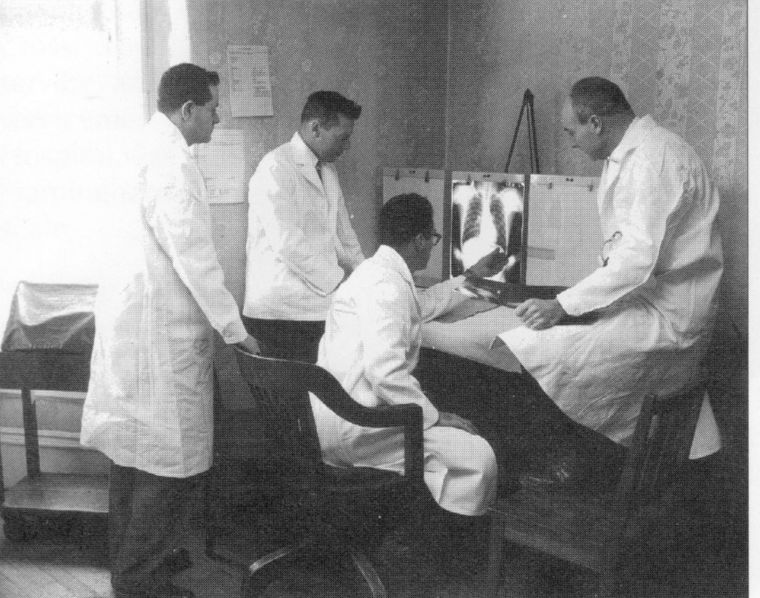
In the early decades of the twentieth century, heart attacks and strokes were often regarded as sudden acts of fate. A person might seem healthy one day and collapse the next. Physicians could treat the aftermath, if the patient survived, but had little understanding of why these events occurred in the first place. Heart disease appeared mysterious, unpredictable and largely unavoidable.
Looking for Clues Before Illness Strikes
Instead of studying patients after they became sick, the researchers took an unusual approach. They recruited more than 5,000 residents of Framingham who were not known to have heart disease and began following them over time. Every few years participants returned for examinations that measured blood pressure, cholesterol levels, body weight, smoking habits and other aspects of health and lifestyle.
The strategy reflected a subtle but profound shift in thinking. Rather than asking why people die of heart disease, the investigators asked a different question: what changes appear years before the disease itself? As the decades passed, patterns emerged. Certain traits appeared again and again among people who eventually developed heart attacks or strokes. High blood pressure, elevated cholesterol, smoking, diabetes, obesity and physical inactivity all increased the likelihood of cardiovascular disease.
These predictors came to be known as risk factors, a phrase that today feels routine but in the 1950s represented a radical way of thinking about illness.
The Discovery of Silent Disease
One of the study’s most surprising findings was that dangerous disease processes often unfold quietly. High blood pressure, for example, rarely causes noticeable symptoms in its early stages. Yet the Framingham data showed that it steadily damages blood vessels and dramatically raises the risk of heart attacks, strokes and heart failure.
In effect, the study revealed that many chronic diseases begin long before anyone feels sick. That realization reshaped medical practice. Physicians began to look for early warning signs, measurable biological changes that signal risk even in apparently healthy people. Routine blood pressure checks, cholesterol screening and lifestyle counseling all emerged from this new mindset. Medicine was gradually shifting from reacting to illness toward preventing it.
A Population Level Transformation
Over the decades that followed, this preventive approach spread across medicine and public health. Smoking rates fell. Blood pressure and cholesterol were routinely monitored. New medications helped control cardiovascular risk. The results have been dramatic. Age adjusted death rates from cardiovascular disease in the United States have fallen by roughly 60 percent since the mid-twentieth century. Researchers estimate that if heart disease mortality had remained at its peak levels from the late 1960s, more than a million additional Americans would have died by the early twenty first century.
The benefits extend beyond survival. Later analyses of Framingham participants show that heart attacks and strokes are now occurring years later in life than they once did. Life expectancy has increased by roughly a decade across the generations studied. In practical terms, prevention did more than postpone death, it reduced the number of years people spend living with disabling cardiovascular disease.
The Economic Value of Prevention
These health gains have also translated into economic ones. Cardiovascular disease remains one of the most expensive medical conditions to treat, requiring hospital care, medications and long term management. Yet the reduction in heart disease since the 1970s has generated enormous economic value. Some analyses estimate that improvements in cardiovascular health added more than a trillion dollars per year to the U.S. economy through longer, healthier lives and increased productivity.
Despite that progress, the problem has not disappeared. Cardiovascular disease still claims more than 900,000 American lives each year and costs the nation hundreds of billions of dollars annually. Prevention works, but it cannot stop.
A Lesson That Reaches Beyond the Heart
Today the Framingham study continues, now following multiple generations of participants. Researchers use the data to explore genetics, aging, dementia and metabolic disease. Thousands of scientific papers have emerged from its findings. Yet its most enduring legacy may be conceptual rather than technical. The study demonstrated that chronic diseases do not usually appear suddenly. Instead they grow slowly from biological processes that begin years, even decades, before symptoms arise.
That insight changed medicine. It showed that the most powerful intervention may come long before a patient ever enters a hospital. The lesson first illuminated in Framingham now guides much of modern health care: the most effective treatment for disease may be preventing it before it begins.
Reference
1. DAWBER TR, MEADORS GF, MOORE FE Jr. Epidemiological approaches to heart disease: the Framingham Study. Am J Public Health Nations Health. 1951;41(3):279-281. doi:10.2105/ajph.41.3.279
2. KANNEL WB, DAWBER TR, KAGAN A, REVOTSKIE N, STOKES J 3rd. Factors of risk in the development of coronary heart disease--six year follow-up experience. The Framingham Study. Ann Intern Med. 1961;55:33-50. doi:10.7326/0003-4819-55-1-33
3. Wilson PW, D'Agostino RB, Levy D, Belanger AM, Silbershatz H, Kannel WB. Prediction of coronary heart disease using risk factor categories. Circulation. 1998;97(18):1837-1847. doi:10.1161/01.cir.97.18.1837
4. Mahmood SS, Levy D, Vasan RS, Wang TJ. The Framingham Heart Study and the epidemiology of cardiovascular disease: a historical perspective. Lancet. 2014;383(9921):999-1008. doi:10.1016/S0140-6736(13)61752-3
5. Lloyd-Jones DM, Leip EP, Larson MG, et al. Prediction of lifetime risk for cardiovascular disease by risk factor burden at 50 years of age. Circulation. 2006;113(6):791-798. doi:10.1161/CIRCULATIONAHA.105.548206
6. Ford ES, Ajani UA, Croft JB, et al. Explaining the decrease in U.S. deaths from coronary disease, 1980-2000. N Engl J Med. 2007;356(23):2388-2398. doi:10.1056/NEJMsa053935