

How Air Pollution Before and After Birth May Shape a Child’s Risk of Lung Infections
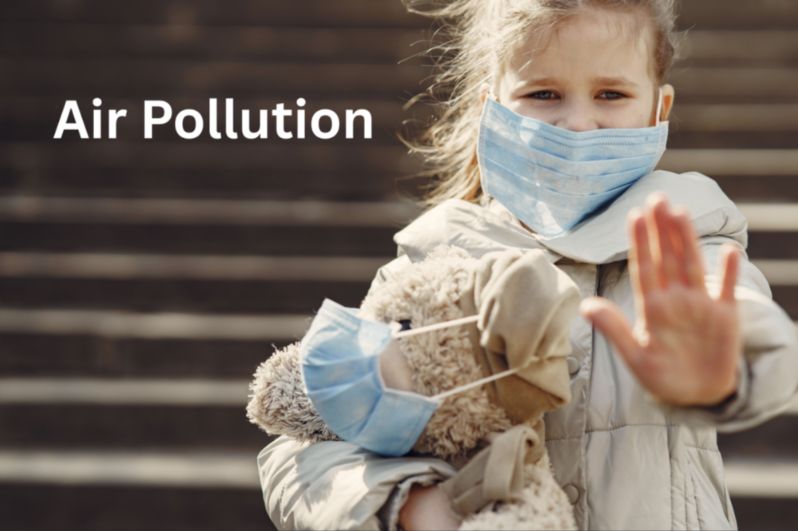
For decades, scientists have known that air pollution harms the lungs. What has become increasingly clear, however, is that the damage may begin long before a child takes their first breath. Emerging research suggests that exposure to polluted air during pregnancy and infancy may influence how a child's immune system develops, potentially increasing the risk of respiratory infections throughout early life.
A growing body of evidence now points to a complex story involving not only the lungs themselves, but also the developing immune system, the placenta, and even microscopic proteins circulating in the blood. Together, these findings are reshaping our understanding of how environmental exposures during the earliest stages of life can affect health for years to come.
The Vulnerable Beginnings of Life
Pregnancy and infancy represent periods of extraordinary biological change. During these stages, the lungs are developing, immune cells are being programmed, and the body's defense systems are learning how to recognize and respond to infectious threats.
Because these systems are still under construction, they may be especially sensitive to environmental insults such as airborne pollutants. Common pollutants include fine particulate matter (PM2.5), larger particulate matter (PM10), nitrogen dioxide (NO₂), sulfur dioxide (SO₂), and traffic-related emissions generated by vehicles, industry, and fossil-fuel combustion.
Researchers have long suspected that exposure to these pollutants during pregnancy could increase the likelihood of lower respiratory tract infections (LRTIs), including bronchiolitis, bronchitis, and pneumonia. Yet proving that connection has been challenging.
Does Pollution During Pregnancy Increase Infection Risk?
A major systematic review published in 2025 examined data from 12 studies involving children from birth through adolescence. The researchers found that the evidence linking prenatal air pollution exposure to childhood respiratory infections remains mixed.
Some studies found that higher exposure to pollutants during pregnancy was associated with increased risks of pneumonia, bronchiolitis, and other respiratory illnesses. Others found weaker or inconsistent relationships.
Among all pollutants studied, fine particulate matter (PM2.5), tiny particles less than 2.5 micrometers in diameter, showed the most consistent association with increased infection risk.
Certain populations appeared particularly vulnerable. In one study, children born to mothers exposed to higher levels of PM2.5 during pregnancy experienced significantly higher rates of hospitalization for respiratory infections. Another study reported that babies exposed in utero to heavy traffic-related air pollution had approximately 50 percent higher odds of developing bronchiolitis during their first year of life.
Despite these findings, researchers concluded that current evidence is not yet strong enough to definitively state that prenatal exposure alone causes childhood respiratory infections. The relationship appears real but remains biologically and statistically complex.
The First Year May Be Even More Important
While evidence for prenatal exposure remains mixed, a stronger signal is emerging from studies of infancy.
Researchers in Finland followed more than 2,500 children in the Espoo Cohort Study and evaluated pollution exposure before birth and during the first year of life. Their findings pointed to a particularly vulnerable period after birth.
Children exposed to higher levels of air pollution during infancy experienced substantially greater risks of serious lower respiratory tract infections during their first two years of life. By contrast, pollution exposure during pregnancy alone was not strongly associated with infection risk.
The findings suggest that the first year of life may represent a critical window when developing lungs and immune defenses are especially susceptible to environmental injury.
This idea aligns with what pediatricians already know about infant physiology. Babies breathe faster than adults, inhale more air relative to their body size, and possess immature immune systems. Their lungs are still developing, making them uniquely vulnerable to airborne pollutants.
A Molecular Fingerprint of Pollution
Perhaps the most intriguing advances have come from studies examining what pollution does inside the body. In 2025, researchers analyzed thousands of proteins circulating in the blood of pregnant women and their newborns. They discovered that exposure to air pollution leaves a distinct biological signature, a molecular fingerprint that can be detected long before disease develops.
Among the proteins affected, one attracted particular attention: AXIN1. The study found that higher exposure to particulate pollution was associated with lower levels of AXIN1 in both mothers and their children. This mattered because children with lower AXIN1 levels were more likely to develop respiratory infections, including pneumonia and recurrent viral illnesses. They were also more likely to develop asthma.
Why would a single protein matter so much?
Laboratory research suggests that AXIN1 helps regulate antiviral defenses. It appears to support interferon signaling, one of the body's most powerful mechanisms for suppressing viral replication. When AXIN1 levels fall, antiviral responses may weaken, leaving the body less capable of controlling common respiratory viruses such as influenza and respiratory syncytial virus (RSV).
The findings offer one of the clearest biological explanations yet for how air pollution might influence respiratory health years after exposure occurs.
Pollution's Journey to the Developing Child
Scientists believe several mechanisms may be operating simultaneously. Some pollutants may directly cross the placenta and enter fetal circulation. Although the placenta serves as a protective barrier, recent research suggests that ultrafine particles can sometimes penetrate this defense system.
Pollution may also act indirectly. Inhaled pollutants trigger inflammation and oxidative stress throughout the mother's body. These inflammatory signals can alter placental function and influence how the fetal immune system develops. The result may be subtle but important changes in immune programming that persist long after birth.
This concept fits within a broader scientific framework known as the developmental origins of health and disease, the idea that environmental exposures during early development can shape long-term health trajectories. What researchers are now discovering is that the air surrounding an expectant mother may become part of that developmental story.
The Challenge of Proving Cause and Effect
Despite growing concern, important questions remain unanswered. Many studies rely on parental reports of childhood infections rather than medical records, introducing potential inaccuracies. Measuring individual pollution exposure is also difficult. Most studies estimate exposure based on residential location rather than direct personal monitoring.
Moreover, pollution rarely acts alone. Socioeconomic conditions, housing quality, nutrition, viral exposures, and access to healthcare all influence infection risk, making it difficult to isolate the contribution of air pollution.
Another limitation is geography. Most research has been conducted in Europe and parts of Asia, despite the fact that some of the world's highest pollution levels occur in low-income countries. Expanding research into these regions will be essential for understanding the full global burden of disease.
Rethinking Air Pollution as an Immune-System Exposure
Traditionally, air pollution has been viewed primarily as a respiratory hazard. Scientists focused on how inhaled particles irritate airways, trigger inflammation, and worsen lung diseases such as asthma. The newest research suggests a broader perspective.
Pollution may also be an immune-system exposure, one capable of influencing biological development before symptoms ever appear. Rather than simply damaging the lungs, polluted air may alter the molecular signals that help train the body's defenses during the earliest stages of life.
The discovery of proteins such as AXIN1 provides an intriguing glimpse into that process. It suggests that the consequences of pollution may be written into the immune system itself, potentially affecting how children respond to infections years later.
Much remains to be learned. Yet as researchers continue to unravel the biological pathways linking environmental exposures to childhood disease, one conclusion is becoming increasingly difficult to ignore: the quality of the air surrounding a mother and infant may help shape a child's respiratory health long before the first cough, cold, or wheeze ever appears.
Reference
1. Brustad N, Wang T, He S, et al. Air pollution-induced proteomic alterations increase the risk of child respiratory infections. Nat Commun. 2025;16(1):5930. Published 2025 Jul 1. doi:10.1038/s41467-025-61392-y
2. Pepper M, Rebouças P, Falcão IR, et al. Prenatal exposure to ambient air pollution and subsequent risk of lower respiratory tract infections in childhood and adolescence: A systematic review. Int J Hyg Environ Health. 2025;263:114473. doi:10.1016/j.ijheh.2024.114473
3. Belachew AB, Rantala AK, Jaakkola MS, et al. Prenatal and early life exposure to air pollution and the risk of severe lower respiratory tract infections during early childhood: the Espoo Cohort Study. Occup Environ Med. 2024;81(4):209-216. Published 2024 Apr 28. doi:10.1136/oemed-2023-109112
4. Soesanti F, Hoek G, Brunekreef B, et al. Perinatal exposure to traffic related air pollutants and the risk of infection in the first six months of life: a cohort study from a low-middle income country. Int Arch Occup Environ Health. 2024;97(5):575-586. doi:10.1007/s00420-024-02064-0
5. Miller RL, Peden DB. Environmental effects on immune responses in patients with atopy and asthma. J Allergy Clin Immunol. 2014;134(5):1001-1008. doi:10.1016/j.jaci.2014.07.064